Choosing a reliable pressurized well water tank is essential for consistent water pressure and pump efficiency in a home system. The right tank stores water under pressure, reduces pump cycling, and helps protect drinking water from taste or odor issues. Below is a curated list of five well tanks that balance durability, NSF-listed safety, and compatibility with typical residential pumps.
| Product | Brand | Capacity | Key Benefit |
|---|---|---|---|
| WaterWorker HT-30B Vertical | Water Worker | 30 gallons (26 gal capacity) | NSF-listed; seamless butyl diaphragm |
| WaterWorker 25009 20Gal Vertical | Water Worker | 20 gallons | NSF-listed; seamless butyl diaphragm |
| WX-202 Well-X-Trol | Amtrol | 20 gallons | Strong steel shell; durable liner |
| iSpring T20M 20 Gal Tank | iSpring | 20 gallons | NSF/ANSI-compliant; versatile orientation |
| 20Gal Water Pressure Tank (ELEVZO) | ELEVZO | 20 gallons | Food-safe liner; 1″ stainless port |
The following sections present five focused options chosen for home well systems, highlighting their construction, liner materials, and usability to help you compare performance and long-term reliability.
WaterWorker HT-30B Vertical Pressure Well Tank

The WaterWorker HT-30B is a vertical pressurized tank designed for residential wells. It meets NSF standards under ANSI/NSF Std 61, ensuring safety for drinking water. The butyl diaphragm is seamless, flexing rather than stretching, and the polypropylene liner minimizes flaking or odor transfer to water. This design enhances durability and reduces water contaminants, providing reliable pressure support for common household pumps.
WaterWorker 25009 20Gal Vertical Well Tank
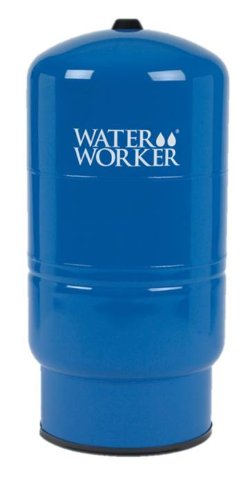
The WaterWorker 25009 combines a 20-gallon vertical design with a NSF-listed system for safe drinking water. Its seamless butyl diaphragm supports flexing action to minimize creasing, while the polypropylene liner safeguards water quality by preventing flaking or odor transfer. This model is a practical choice for mid-sized homes with standard pump setups.
Amtrol WX-202 Well-X-Trol 20 Gallon Tank

The Amtrol WX-202 Well-X-Trol is a standing 20-gallon well tank built with a heavy-duty steel shell. It features a virgin polypropylene inner liner to resist cracking or flaking and a positive hoop ring seal that secures the diaphragm and liner for added strength. Its factory pre-charged pressure and rugged construction suit homes with frequent pump cycling or varying water demand.
iSpring T20M 20-Gallon Pre-Pressurized Tank
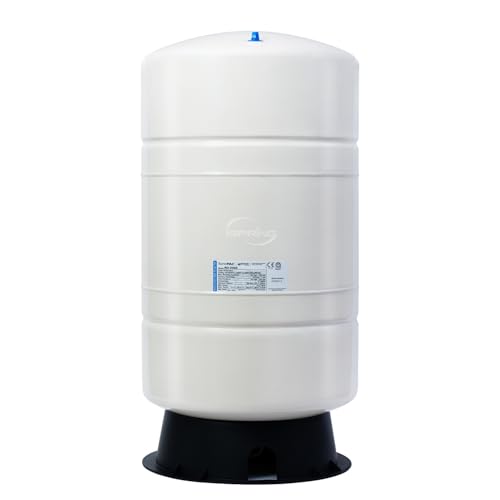
The iSpring T20M is a 20-gallon pre-pressurized tank designed for RO systems but suitable for general well use. It’s NSF/ANSI-certified and ships with essential accessories, including shut-off valve, tank connector, and a stand. It supports flexible positioning and can operate in vertical or horizontal orientations, facilitating diverse installation layouts in homes.
20Gal Water Pressure Tank For Well Systems (ELEVZO)

The 20Gallon ELEVZO tank features a 145 PSI steel shell with a stable base and a food-safe polypropylene liner for drinking water. It provides a reliable source of clean water with a 1″ FNPT stainless steel port rated to 218 PSI, enabling secure connections to standard plumbing and pumps. The powder-coated exterior resists rust, while the plastic base minimizes floor moisture around installations.
Buying Guide: Key Purchase Considerations
- Tank material and liner: Look for stainless or polypropylene liners that resist flaking, cracking, or imparting tastes. A seamless or hoop-sealed diaphragm enhances durability and reduces failure risk.
- Capacity and pre-charge: Match tank size to your well pump flow and household water needs. Note factory pre-charge pressure and compatibility with your pump’s cut-in/cut-out settings.
- Construction and durability: Steel shells with powder-coated finishes resist corrosion and last longer in humid or basement environments. A solid base helps prevent rocking and shifting.
- NSF/ANSI standards: Ensure the tank is rated for safe drinking water if it will contact potable water anywhere in the system.
- Mounting orientation: Many tanks can operate in vertical or horizontal orientations. Confirm compatibility with your installation space and plumbing layout.
- Port size and fittings: A 1″ NPT or FNPT port is common. Confirm that the tank includes or is compatible with standard shut-off valves and connectors.
- Maintenance and serviceability: Consider tanks with accessible diaphragms and liners, and check warranty terms for long-term protection.
- Cost vs. longevity: While price matters, prioritize reliability, liner quality, and compatibility with your pump to reduce future maintenance costs.
When selecting a well tank, balance capacity, durability, and compatibility with your existing well pump and plumbing. For homes with high water usage or frequent cycling, a larger or more robust tank may yield steadier pressure and longer pump life. Always follow local plumbing codes and consider professional installation for reliable performance and safety.