Radon exposure remains a top environmental health concern for homes across the United States. Selecting the right radon test kit involves weighing accuracy, ease of use, lab processing, and whether you want short- or long-term monitoring. The following guide highlights five highly regarded options, ranging from simple DIY tests to professional-grade detectors, to help you choose the right fit for your home.
| Product | Type | Sampling Window | Lab Involvement |
|---|---|---|---|
| First Alert Radon Gas Test Kit, RD1 | Short-term | Short-term (2-4 days typical) | Lab fees included |
| Ecosense RD200 RadonEye | Digital detector | Short and long-term monitoring | Lab not required; data via device |
| Airthings 2950 Wave Radon | Smart detector | Continuous long-term | App-based results |
| Radonova Radtrak³ Radon Detector | Long-term | 90 days to 1 year | Lab analysis included |
| Radon Gas Test Kit AccuStar Charcoal | Short-term | 48-96 hours | Lab analysis included |
First Alert RD1 Radon Test Kit
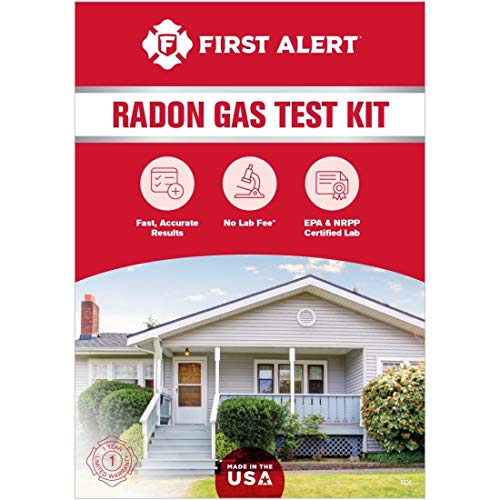
The First Alert RD1 radon test kit provides a simple, safe way to determine indoor radon levels. It is listed under the EPA radon gas measurement proficiency program and includes essential test materials and lab fees, excluding New Jersey state fees. This kit is designed for homeowners seeking a straightforward, EPA-aligned short-term assessment without additional equipment. The process emphasizes ease of use and clear results, making it a practical starting point for first-time testers. The kit’s lab analysis helps ensure standardized reporting for reliable decision-making.
Ecosense RD200 RadonEye Home Detector

The Ecosense RD200 RadonEye delivers rapid radon readings with a professional-grade counting efficiency. It captures fluctuations quickly, offering a first reading in about 10 minutes and continuous monitoring with hourly data. The device emphasizes accuracy with a patented ion chamber radon sensor and provides Smart View trend charts for long-term analysis. It is suited for users who want near real-time feedback and the ability to monitor changing radon levels over short and long periods, helping families assess mitigation needs and verify improvements over time.
Airthings 2950 Wave Radon Detector

The Airthings 2950 Wave Radon offers a smart, wireless solution with humidity and temperature sensing for context around radon readings. It uses a passive diffusion chamber sampling method and alpha spectroscopy for accurate detection. The device is designed for easy placement anywhere in the home and communicates results via a user-friendly app with color-coded indicators. This option suits households seeking a hands-off, ongoing monitoring approach that integrates into broader air quality awareness and mitigation tracking.
Radonova Radtrak³ Radon Detector

The Radtrak³ Radon Detector from Radonova is a long-term testing option, designed for 90 days to a year with lab analysis included. This kit emphasizes reliability and comprehensive measurement over extended periods, reducing the variability that can appear in short tests. The setup is described as simple and quick, with clear guidance on detector placement. Users benefit from Radonova’s global experience in radon testing and robust, lab-confirmed results that inform effective mitigation decisions.
Radon Gas Test Kit AccuStar Charcoal Short Term

The AccuStar Charcoal Short Term test kit offers a quick, easy-to-use option for screening radon levels over 48-96 hours. Known for accuracy in its category, it yields certified results and provides a practical approach for homeowners assessing risk before scheduling longer-term testing or mitigation. The charcoal-based method is widely used in DIY radon testing and is supported by a straightforward lab analysis process, making it a reliable choice for initial screening or follow-up checks.
Buying Guide: Key Considerations for Choosing a Radon Test Kit
When selecting a radon test, consider the test type, duration, and how results are reported. Short-term tests are useful for quick screening or apartment checks, while long-term tests provide a more representative exposure assessment. Lab processing and inclusions matter: some kits bundle lab fees, return mailers, or analysis in the price, while others require separate payments. Accuracy is influenced by detector technology, calibration, and adherence to EPA guidelines. For households wanting ongoing awareness, digital detectors and smart devices add trend charts and app visibility. Consider your location, whether NJ state fees apply, and whether you want professional analysis included or prefer self-contained results. Finally, think about placement flexibility, battery life, and whether wireless connectivity fits your monitoring workflow.
Comparison by features highlights the trade-offs between simple, low-cost options and more sophisticated, data-rich devices. Short-term charcoal tests provide a quick read with lab analysis; long-term detectors emphasize smooth data over time and mitigation validation. For real-time insights and ongoing risk management, digital and wireless devices offer continuous monitoring with visual dashboards. By aligning product choice with your testing goals—screening versus precise, long-term exposure assessment—you can choose a radon test kit that supports informed decisions and safer living environments.
Summary: The five products featured here cover a spectrum from simple, compliant short-term tests to advanced, continuous monitoring devices. Each option offers EPA-aligned testing or lab-backed results, with varying degrees of user involvement and data accessibility. Use the buying guide to match your home’s needs with the appropriate monitoring strategy, and consult a qualified professional if radon levels reach or exceed recommended action thresholds.