Choosing the right anti-fatigue mat can reduce fatigue and improve safety in workplaces and busy kitchens alike. This guide reviews five chemical-resistant or highly durable mats designed to withstand oils, greases, and other fluids while supporting comfort during long standing periods. Each product highlights concrete features, material resilience, and ergonomic benefits to help you pick the best fit for demanding environments.
style=”display:none”>Summary Table (Selected Mats)
| Product | Brand | Key Benefit | Material/Construction |
|---|---|---|---|
| Hudson Exchange MaxCush | HE HUDSON EXCHANGE | Chemical-resistant surface with high-traction, durable pattern | Nitrile/PVC-blended closed-cell foam |
| NORTHSKY Olympia | NORTHSKY | Waterproof, slip-resistant with memory foam core | Waterproof PU top, high-density memory foam |
| GOOFCXO 3×5 | GOOFCXO | Durable, anti-static surface with ergonomic support | Dense memory foam core, anti-static rubber surface |
| StepRite 4/5 Inch Thick | StepRite | Thicker cushioning and stain/water resistance | 4/5 inch memory foam, PVC surface |
| KANGAROO Thick Ergonomic | KANGAROO | Extra thick, high-density foam for all-day comfort | Three-quarter inch cushion foam, waterproof topside |
Hudson Exchange MaxCush Anti-Fatigue Mat
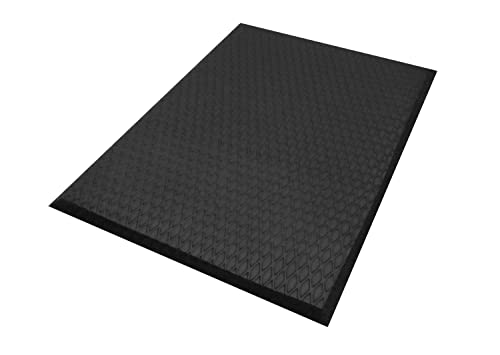
The Hudson Exchange MaxCush mat is built with a nitrile/PVC-blended closed-cell foam, delivering strong anti-fatigue properties for employee comfort and ergonomic support. Its surface features a durable diamond pattern designed to resist peeling and shaving more effectively than ribbed surfaces. The surface is resistant to grease, oil, and chemicals, helping maintain long-term usability in demanding environments. Safe beveled edges reduce trip hazards while NFSI certification indicates high-traction performance on various floors.
NORTHSKY Olympia Anti Fatigue Mat

The NORTHSKY Olympia mat uses a waterproof PU top layer with a high-density memory foam core to provide resilient support over extended periods of standing. The mat’s waterproof construction helps resist oils and fluids common in kitchens and workshops, while the 5/8-inch thickness cushions ankles and joints. Its slip-resistant surface contributes to safer footing in busy work areas, making it suitable for kitchens, garages, and production lines where standing is frequent.
GOOFCXO 3 x 5 FT Anti Fatigue Mats

GOOFCXO offers a 3 x 5-foot mat with a 15/16 inch thick foam core designed to reduce stress on the body during prolonged standing. The mat integrates a dense memory foam core for cushioning, while the surface uses anti-static rubber for improved durability in demanding environments. The ergonomic design targets fatigue reduction in the feet, ankles, knees, hips, and lower back, supporting longer periods of comfortable standing in industrial or workshop settings.
StepRite 4/5 Inch Thick Kitchen Mat

StepRite’s thicker mat provides enhanced support with 4/5 inch memory foam, improving comfort for long periods of standing in kitchens, offices, or laundry areas. The PVC surface is water- and stain-resistant, making cleaning straightforward. Its anti-fatigue properties help reduce pressure on knees and ankles, contributing to overall spinal comfort when standing on hard floors for extended times.
KANGAROO Thick Ergonomic Anti Fatigue Mats
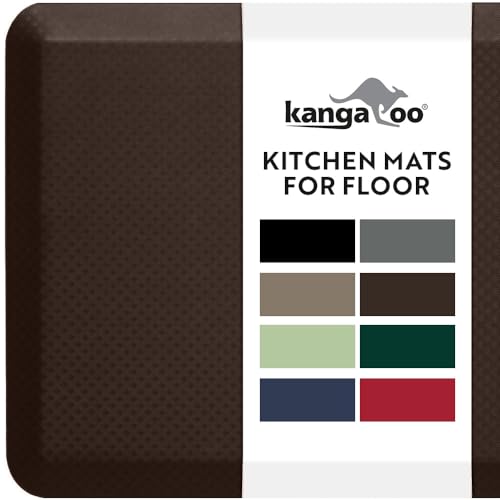
KANGAROO’s mat features a three-quarter inch thick cushion with a waterproof, stain-resistant topside. The high-density foam core offers robust support, designed to reduce fatigue and protect joints during long hours of standing. The surface resists scratches and is durable for daily use in kitchens, workshops, or office spaces where moisture or spills are common.
Buying Guide: Key Considerations For Choosing Chemical-Resistant Anti Fatigue Mats
- Chemical resistance: Prioritize mats with surfaces designed to resist oils, fuels, solvents, and cleaning chemicals. Look for closed-cell foams or nitrile/PVC blends like the Hudson Exchange model for extended longevity in chemical-rich environments.
- Surface texture: Diamond patterns tend to be more durable than ribbed textures and can resist wear better in industrial settings. Consider tread patterns that balance grip with easy cleaning.
- Water and stain resistance: In kitchens or labs, a waterproof or water-resistant top layer helps prevent moisture from seeping in and staining the core material.
- Traction and safety: Safe beveled edges reduce trip hazards, and NFSI-certified mats offer credible slip resistance on a variety of floors.
- Thickness and cushioning: Thicker mats (e.g., 4/5 inch to 3/4 inch) provide greater comfort for long shifts but may require more floor space. Balance comfort with available workspace.
- Size and coverage: Measure the standing area to ensure the mat covers the intended zone. Larger mats like 3×5 or longer footprints suit production lines and prep stations.
- Maintenance: Choose mats that are easy to clean with damp wipes or soap and water. Removable beveled edges facilitate safe cleaning around the mat.
- Durability: Look for high-density foams and robust top surfaces (memory foam cores with durable rubber or PVC surfaces) to resist compression over time.
- Use-case fit: For kitchens, offices, garages, or industrial floors, prioritize mats designed for the specific environment (water exposure, oil resistance, non-slip backing).
- Warranty and certification: Certifications like NFSI, and manufacturer warranties can provide assurance of long-term performance in demanding settings.