Choosing the right exterior penetrating wood stain is essential for protecting decks, fences, and siding while preserving natural wood beauty. This guide reviews top options designed to soak into wood, resist moisture, and provide long-lasting color. Each product is evaluated for performance, application ease, and environmental considerations to help you select a durable, low-maintenance finish for American outdoor wood projects.
| Product | Brand | Type | |
|---|---|---|---|
| 1 gal Ready Seal 105 Natural | Ready Seal | Exterior Stain & Sealer | No primer required; self-priming, penetrates deeply |
| Ready Seal 512 5-Gallon Pail Natural Cedar | Ready Seal | Exterior Stain & Sealer | Large volume, same low-maintenance features |
| PolyWhey Exterior Penetrating Stain – Lakeside Cedar | Vermont Natural Coatings | Penetrating Stain | Bio-based, non-toxic, strong water protection |
| Cabot Australian Timber Oil – Jarrah Brown | Cabot | Wood Stain & Protector | Three-way oil protection with deep penetration |
| Penofin Deep Penetrating Oil – Exotic Hardwood IPE | Penofin | Wood Stain Oil | Deep penetration for exotic hardwood protection |
Ready Seal 105 Natural Exterior Stain and Sealer

Ready Seal 105 Natural is a penetrative exterior stain that requires no primer. It is designed to darken on first application and gradually reach its true color after about 14 days. It should not be applied over painted or newly stained surfaces, and sealed surfaces can inhibit penetration. The product applies via sprayer, roller, or brush and is formulated to avoid runs, laps, or streaks without back brushing. This makes it a convenient option for DIYers aiming for an even, natural look with low maintenance.
Ready Seal 512 5-Gallon Pail Natural Cedar Exterior Stain

This 5-gallon pail provides the same no-primer, penetrating formula as Ready Seal 105, with coverage suited for larger projects. It also darkens upon initial application and achieves its final color in roughly two weeks. Like the smaller variant, it adheres to a simple, brush-roller-sprayer application without back brushing or visible drips, making it a practical choice for decks, fences, and siding that require durable protection with minimal effort.
Vermont Natural Coatings PolyWhey Exterior Penetrating Stain – Lakeside Cedar

PolyWhey Exterior Penetrating Stain delivers rich color and a water repellent barrier by pushing color and moisture protection deep into wood. It protects against moisture and harmful UV rays, reducing rot and decay. The formula uses whey protein as a co-binder, presenting a renewable, safer alternative for projects where non-toxic finishes are preferred. It is well-suited for exterior woods exposed to varying climates, offering durable aesthetics with an emphasis on environmental sustainability.
Cabot Australian Timber Oil Wood Stain – Jarrah Brown
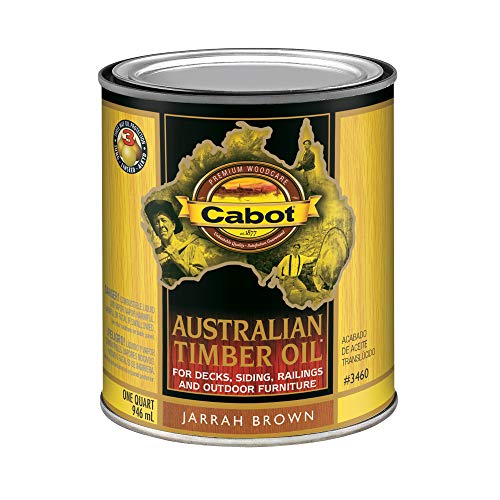
Cabot Australian Timber Oil provides three-way oil protection that penetrates deeply to guard wood surfaces against extreme weather. The unique oil blend is designed to protect dense, resin-rich woods while highlighting natural depth and patina. The finish tends to offer a rich, natural color without the look of deck paint, making it a strong option for exterior projects seeking long-lasting color and enhanced wood beauty.
Penofin Deep Penetrating Oil Treatment for Exotic Hardwood Exterior

Penofin Deep Penetrating Oil is formulated for exotic hardwoods, delivering deep penetration with Brazilian Rosewood Oil. It provides up to 99% UV protection to maintain color and prevent graying, making it a robust choice for premium outdoor woods encountering intense sun exposure. Note that shipment restrictions may apply to certain regions, so confirmation of availability is advised before purchase.
Buying Guide: Key Considerations for Exterior Penetrating Wood Stains
- Wood type and condition: Some stains are better for softwoods (pine, cedar) while others target dense hardwoods. Assess surface preparation needs (cleaning, sanding, priming) before choosing a product.
- Penetration depth vs. film formation: Penetrating stains soak into wood for protection, whereas films can peel or crack. Look for formulas emphasizing deep saturation and UV protection.
- Environmental and safety factors: Bio-based or low-VOC options reduce fumes and environmental impact. If usable around family spaces, consider safer finishes like Vermont PolyWhey.
- Maintenance schedule: Some products require reapplication every few years; others are designed for longer intervals. Consider your climate, foot traffic, and exposure to moisture.
- Color stability and appearance: Natural or amber tones tend to highlight wood grain. Check color depth and how it develops over time after initial application.
- Application method and coverage: Sprayers, rollers, and brushes each have pros. Large projects benefit from liquid in larger pails; verify coverage rates and recoat times.
- Compatibility and skin of wood: Some finishes pair better with previously finished or painted surfaces; others require bare wood to maximize penetration.
- Warranty and brands: Reputable brands with proven performance in exterior conditions offer more predictable outcomes in varied American climates.
When selecting an exterior penetrating stain, balance ease of application, environmental impact, and long-term protection. For projects prioritizing deep wood saturation with lower maintenance, options like PolyWhey or Cabot Timber Oil may be suitable. For faster projects or DIY enthusiasts, Ready Seal’s no-primer approach and user-friendly application remain appealing. Exotic hardwoods often benefit from Penofin’s deep penetration, though regional availability and cost may vary. Always follow manufacturer instructions for surface prep and re-coating to maximize longevity and appearance.