Winter weather brings the risk of ice dams, frozen gutters, and damaged roofs. A reliable roof heat cable with a thermostat can help keep runoffs flowing and protect your home. This guide reviews five top-rated options, highlighting safety certifications, self-regulating features, installation ease, and overall performance to help you choose confidently for American homes.
Summary of chosen products
| Product | Brand | Key Feature | Approx. Length | Certifications |
|---|---|---|---|---|
| Eastrexon Heat Tape for Roof and Gutters | Eastrexon | Self-regulating with LED plug, 152 ft | 152 ft | Unknown |
| ThermaCord 120V Heat Cable Controller | Radiant Solutions Company | Automatic on/off thermostat | 16 in | UL-Certified |
| HEATIT HIRD 200 ft Roof & Gutter Cable | HEATIT | ETL & CSA certified, pre-assembled | 200 ft | ETL & CSA |
| H&G Lifestyles 8W/ft Roof Cable (80 ft) | H&G lifestyles | Self-regulating, up to 158°F | 80 ft | Self-regulating tech |
| BDDFOTO 80 ft Heat Tape With 7W/ft | BDDFOTO | IP65 waterproof with thermostat, GFCI | 80 ft | IP65, GFCI |
Eastrexon Heat Tape For Roof And Gutters

Eastrexon’s roof heat tape is designed for broad compatibility across roof styles, including noncombustible shingles, metal, and plastic gutters. The 152-foot length provides extensive coverage for large roofs, gutters, and downspouts. The 9.8-foot power cord helps with versatile placement. The cable uses a multi-layer construction—waterproof jacket, insulation, shielding, and a PTC layer with AL-MG alloy wire—to deliver consistent heat while maintaining durability in winter conditions. This option supports gutter and pipe protection from freezing and can be used to wrap water lines as an extra safeguard.
ThermaCord 120V Heat Cable Controller
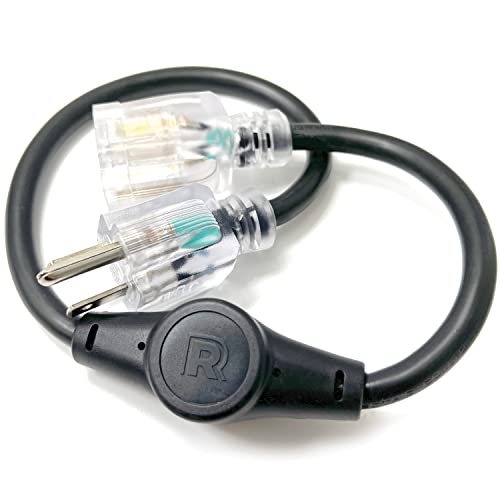
The ThermaCord controller provides a weatherproof outdoor thermostat solution for heat cables. It turns heat cables on at 37°F and off at 50°F, helping conserve energy while preventing ice dams. The unit is UL-listed with a robust 14 AWG wire and a 16-inch integration point suitable for outdoor outlets. It is marketed as universally compatible with various heat cables, making it a flexible choice for homeowners who may upgrade or mix brands.
HEATIT HIRD 200 Feet Roof & Gutter Cable

HEATIT HIRD 200 feet of heat cable delivers robust protection against ice dams. It features ETL and CSA certifications, indicating strong safety compliance. The kit arrives pre-assembled with a 6-foot 18/3 lead and plug, plus clips and spacers for quick installation. The inner insulation uses XLPE with a weather-resistant jacket, and the construction includes aluminum foil and tinned copper braid for enhanced shielding and reliability in cold climates. It targets roofs, gutters, and downspouts to prevent water backup and leaks.
H&G Lifestyles 8W/ft Roof Cable (80 ft)

H&G Lifestyles offers an 8W/ft self-regulating heat cable designed to melt snow and prevent ice dams. The system adjusts power based on ambient temperature, ensuring efficient operation and avoiding overheating. The 80-foot length is suitable for mid-sized homes and can be laid along the roof edge, gutters, and downspouts. A durable construction includes polyolefin insulation, a TPE protective layer, and a tinned copper core, providing reliable performance in harsh winter conditions.
BDDFOTO 80FT Heat Tape With Thermostat
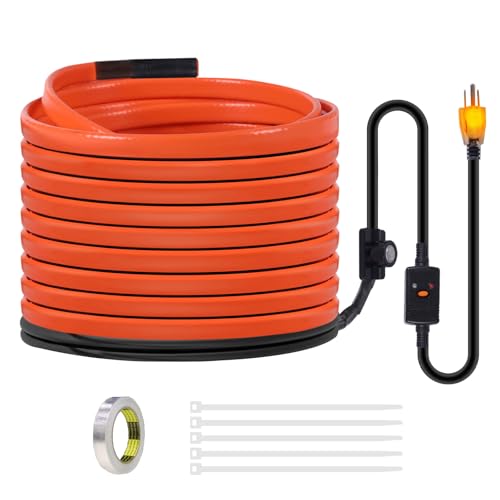
The BDDFOTO system emphasizes waterproofing and safety with IP65 protection and a GFCI-enabled thermostat. The 80-foot heat cable comes with a six-foot power cord, offering integrated temperature control as a thermostat-based on/off cycle. This option is designed to prevent overheating and manage power usage effectively, particularly in outdoor roofs, RVs, water storage tanks, and other exposed areas prone to freezing.
Buying Guide: Key Purchase Considerations
When selecting roof heat cables with thermostats, consider these factors to match your climate and roof type:
- Self-regulating vs fixed power: Self-regulating cables automatically adjust heat output with temperature, improving efficiency and reducing risk of overheating in variable conditions.
- Length and coverage: Measure roof edges, gutters, and downspouts to determine the required length. Over-coverage helps prevent missed spots but adds cost.
- Temperature range and heat output: Look for cables that reach sufficient temperatures to melt ice rapidly without stressing the roof materials. Higher wattage per foot is common for harsh climates.
- Safety certifications: ETL, CSA, UL listings, and GFCI protection indicate adherence to electrical safety standards in outdoor installations.
- Durability and weather resistance: Outer jackets and insulation should withstand freezing temperatures, precipitation, and sun exposure. A robust shielding layer helps prevent electrical faults.
- Ease of installation: Pre-assembled leads, clips, spacers, and clear manuals reduce installation time and mistakes. Consider whether you need professional assistance.
- Power management: If you aim to conserve energy, prioritize models with thermostats or self-regulating features that reduce power at higher temperatures.
Overview of practical considerations
- Roof material compatibility: Ensure the heat cable is suitable for your roof type and gutter material. Some cables are better suited for metal or plastic gutters and certain shingle configurations.
- Maintenance and replacements: Self-regulating cables tend to require less maintenance, but periodic checks are advised to ensure the thermostat, connections, and cords remain intact.
- Warranty and support: Longer warranties reflect confidence in durability; check what is covered (cabling, plug, thermostat, or connectors).
- Energy efficiency vs. cost: Higher wattage cables deliver faster ice-melt results but consume more power. Match wattage to your typical winter temperatures.
By selecting a roof heat cable with an integrated thermostat from trusted brands, homeowners can maintain clear gutters, protect roof integrity, and reduce the risk of ice dam damage. Each option listed above balances coverage, safety, and ease of installation to fit different budget ranges and climate conditions.