Radon is a colorless, odorless gas that can pose serious health risks if not monitored. Self-testing kits offer a convenient, affordable way to screen indoor air quality in basements, living spaces, and other rooms. The following five kits are notable for ease of use, lab analysis options, and EPA- or NRPP-certified results, helping you make informed decisions about indoor safety without visiting a professional inspector.
Summary of chosen products:
| Product | Brand | Test Type | Lab/Certification | URL |
|---|---|---|---|---|
| First Alert Radon Gas Test Kit, RD1 | First Alert | Link | ||
| EPA-Approved Radon Test Kit for Home (Leaping Lynx) | Leaping Lynx | Link | ||
| ConyLite Home Radon Detector | ConyLite | Link | ||
| Radon Gas Test Kit AccuStar | AccuStar | Link | ||
| Ecosense RD200 RadonEye | Ecosense Inc. | Link |
Note: This article provides objective information about the listed products and their testing approaches. Always follow the manufacturer’s instructions and consider local regulatory requirements when testing for radon.
First Alert Radon Gas Test Kit, RD1
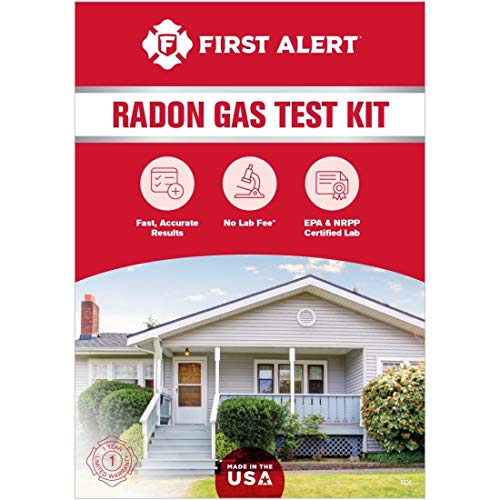
The First Alert RD1 kit offers a simple, safe method to test indoor radon levels. It is listed under the EPA radon gas measurement proficiency program and includes test materials and lab fees, with state fees handled separately in New Jersey. The kit provides clear instructions and is designed for quick setup, making it suitable for homeowners conducting a first radon screening. Results are delivered through a lab analysis, helping homeowners understand whether mitigation steps are necessary.
EPA-Approved Radon Test Kit for Home
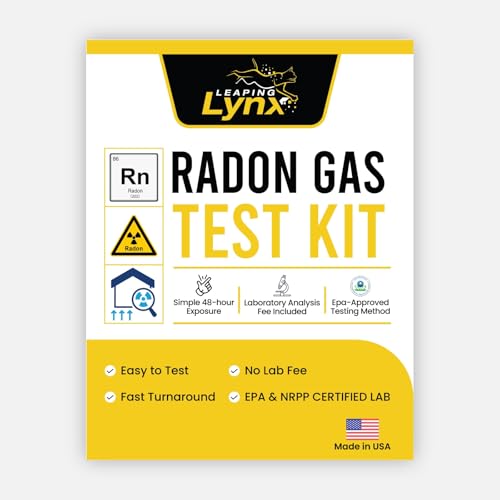
This kit by Leaping Lynx is EPA-approved and includes lab analysis, a prepaid return mailer, and a full professional lab report. It is designed to deliver accurate radon readings for basements and living spaces, with user-friendly steps: open, expose, seal, and ship. Results come directly from an EPA-certified laboratory, ensuring objectivity and reliability for family homes seeking a professional-grade assessment without an on-site inspection.
ConyLite Home Radon Detector
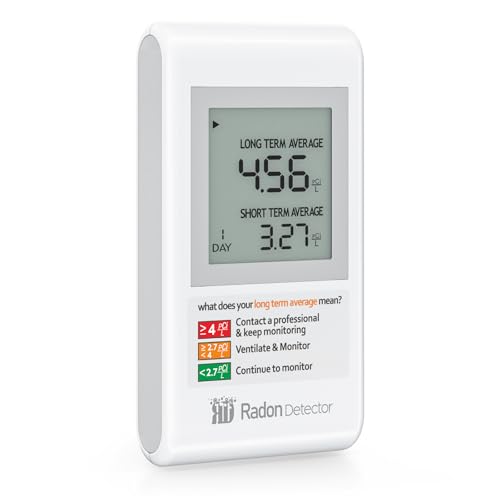
ConyLite offers a portable radon detector suitable for both long and short-term monitoring. The device emphasizes ease of use, with a foldable stand and a large display for clear radon readings. It is designed for homes, including basements and living areas, and supports flexible placement. The kit enables prompt action when radon levels are elevated and provides accessible data to guide simple environmental improvements over time.
Radon Gas Test Kit AccuStar

AccuStar’s short-term radon test kit provides a straightforward, easy-to-use approach with fast results. It is designed to screen homes for radon exposure and offers certified results through its testing process. This kit emphasizes convenience for quick decision-making about potential mitigation, making it a good option for first-time testers who want reliable lab-backed outcomes without complexity.
Ecosense RD200 RadonEye

The Ecosense RD200 RadonEye provides fast initial readings within about 10 minutes and supports long-term monitoring with trend charts. Its 30-count-per-hour radon counting capability and patented ion chamber sensor deliver professional-grade data. This device supports continuous monitoring, enabling homeowners to observe fluctuations over time and make informed adjustments to improve indoor air quality.
Radon Test Kit for Home (NRPP-Certified)

Leaping Lynx’s NRPP-certified kit offers a simple, EPA-approved approach with a lab report delivered within 3-5 business days. It uses an activated-charcoal detector tray placed on a flat surface for 48 hours, then mailed to a lab for analysis. The package includes all necessary supplies and lab processing, with discounted shipping options on certain sites. This kit emphasizes straightforward setup and reliable lab-backed results for homeowners seeking a concise test with clear documentation.
Buying Guide: Key Purchase Considerations
- Certification and credibility: Look for EPA- or NRPP-certified kits and lab analysis to ensure trustworthy results and regulatory alignment.
- Test duration and type: Short-term tests are quick but may vary with seasonal radon fluctuations; continuous or long-term monitoring provides a fuller picture over time.
- Lab analysis vs. immediate results: Some kits include lab reports, while others provide rapid readings that should be followed by lab confirmation if high levels are detected.
- Cost and included materials: Compare what’s included (detector, prepaid mailer, lab fees) and any add-on costs like shipping or state taxes.
- Ease of use: Consider the complexity of setup, placement guidance, and whether the device fits your home layout (basements, living spaces, etc.).
- Result delivery timeline: Check how long it takes to receive lab results and how they present actionable guidance for mitigation.
- Placement flexibility: Some devices are portable or wall-mountable, which matters for multi-room testing and convenience.
- Mitigation planning: Use results to determine whether you need radon mitigation systems, such as sub-slab depressurization, and consult qualified professionals as needed.
How To Choose The Right Kit For Your Home
Start with a baseline test in the lowest level of the home, typically the basement, to gauge potential exposure. If results show elevated radon levels, consider follow-up tests in living areas and bedrooms to confirm indoor air quality across spaces. For ongoing monitoring, a continuous or long-term device provides insights into daily and seasonal changes. In environments with high radon risk, prioritize EPA- or NRPP-certified options with clear lab reporting to support compliant mitigation decisions.