Choosing the right thermal insulation wall board can improve comfort, reduce energy bills, and improve acoustics in living spaces. This guide highlights five top-rated options, spanning reflective foams, ceramic fiber boards, and fiberglass panels. Each product is evaluated on heat resistance, acoustic performance, installation ease, and durability to help homeowners and contractors make informed choices.
| Product | Brand | Key Benefit |
|---|---|---|
| SmartSHIELD Reflective Roll | INSULATION MARKETPLACE | High radiant energy reflection for barrier efficiency |
| ceramic fiber board 2732F | BXI | High temperature resistance and rigidity |
| Fiberglass Acoustic Panels (1-2 in) | F and L Aluminum Parts | Mid- to high-frequency sound absorption |
| Double Reflective Bubble Foil | DGSL | Radiant barrier with bubble core |
| SmartSHIELD 3mm Reflective Roll (16inx10ft) | INSULATION MARKETPLACE | Compact radiant barrier for tight spaces |
SmartSHIELD 3mm Reflective Roll — Reflective Radiant Barrier
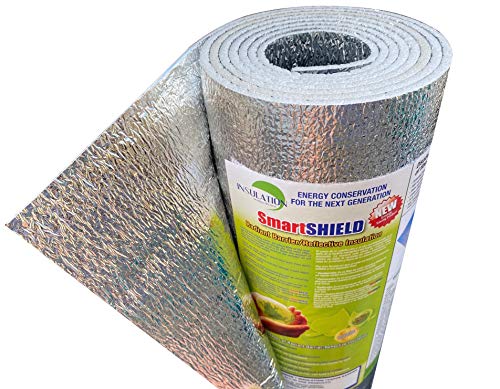
The INSULATION MARKETPLACE SmartSHIELD 3mm roll combines a closed-cell polyethylene foam core with highly reflective engineered foil on both sides. It acts as a radiant barrier by reflecting up to 95% of radiant energy, helping to keep indoor spaces cooler in summer and warmer in winter. It also serves as a vapor barrier, showing stable performance in humid conditions. Installation is straightforward—thin, light, and easy to cut—making it suitable for walls, attics, and ductwork. The durable construction resists moisture and maintains flexibility for indoor and outdoor use.
Key features include:
– Radiant energy reflection up to 95%
– Vapor barrier performance in varying humidity
– 3mm foam core with dual-sided reflective foil
– Easy to cut, install, and clean
– Lightweight yet strong for long-term use
BXI Ceramic Fiber Insulation Board (2732F) 12″ x 8″ x 0.4″
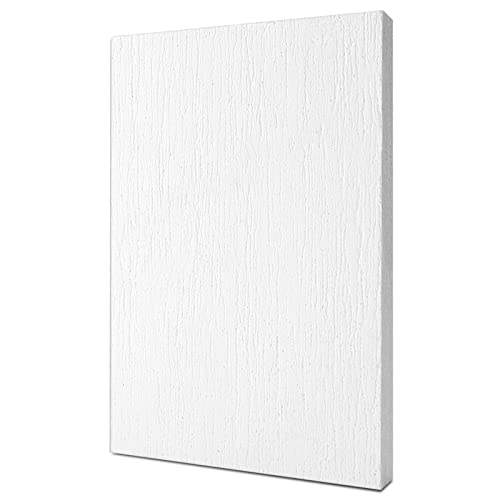
This inorganic ceramic fiber board offers exceptional high-temperature stability and fire resistance. With a nominal size of 12″ x 8″ x 0.4″ and a high density, it provides robust insulation against heat and flames. Its maximum use temperature reaches 2732°F (1500°C), and the long-term service temperature sits around 2552°F (1400°C). The material delivers a respectable R-value and lower smoke emission compared to organic alternatives, contributing to safer, more durable wall assemblies in industrial or residential settings requiring robust temperature control.
Highlights include:
– Class A1 fire resistance and high thermal limits
– Inorganic composition for reduced smoke and odor
– Lightweight yet rigid construction for easy mounting
– Thermal conductivity around 0.082 W/(m·K)
– Practical for walls, kilns, furnaces, and high-temp applications
F&L Fiberglass Acoustic Panels 1″ to 2″ (24″x24″ / 24″x48″)
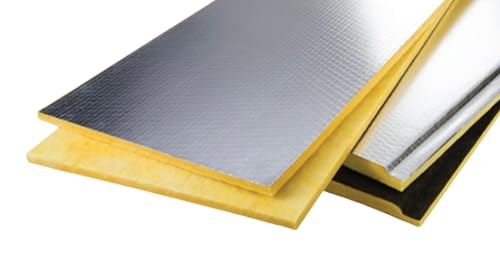
Designed to improve room acoustics and thermal efficiency, these fiberglass boards are optimized for mid- to high-frequency sound absorption. They provide multi-layer thermal protection that reduces heat transfer through walls, ceilings, and HVAC ducts. Available in multiple thicknesses—1″, 1.5″, and 2″—and formats like 24″x24″ and 24″x48″, they offer flexible installation for studios, performance spaces, or home theaters. The boards balance soundproofing with sound clarity, aiding in quieter, more comfortable indoor environments.
Key considerations:
– Superior acoustic performance with attenuation of echo and reverb
– Higher R-values with thicker panels for better thermal retention
– Flexibility in size and thickness to fit different wall assemblies
– Durable, non-corrosive fiberglass core suitable for indoor use
– Compatible with standard framing and easy cutting for custom fits
DGSL Double Reflective Bubble Foil Insulation

This reflective foil insulation combines double aluminum foil with a bubble core to form a premium radiant barrier. It is particularly effective for windows, roofs, and vehicle insulation, blocking heat transfer by reflecting solar energy and trapping air pockets. The product is offered in various sizes to accommodate different applications, including RVs and garages. Its rugged construction resists wear and tear, making it a long-lasting component in insulation projects that prioritize radiant heat management while keeping installation straightforward.
Considerations include:
– Reflective aluminum foil provides strong radiant heat rejection
– Bubble core adds an extra layer of air insulation
– Versatile for windows, doors, and small spaces
– Lightweight and easy to work with
– Suitable for indoor and outdoor uses when protected from punctures
SmartSHIELD 3mm Reflective Roll — 16inx10ft
This compact radiant barrier offers a 3mm closed-cell polyethylene foam core sandwiched between reflective foil layers on both sides. It is designed for easy installation in tight spaces where full-size rolls are impractical. The product emphasizes ease of handling, cutting, and cleaning while delivering reliable radiant heat reflection and moisture resistance. It can be deployed in interior walls, attics, and utility spaces to reduce heat gain and improve overall energy performance.
Important points:
– High radiant barrier efficiency with simple installation
– Moisture resistance and vapor barrier-like properties
– Lightweight and easy to cut to fit irregular spaces
– Durable, engineered foil construction for long-term use
– Suitable for indoor and outdoor projects with appropriate protection
Buying Guide: Key Purchase Considerations
When choosing a thermal insulation wall board, buyers should weigh heat resistance, moisture handling, acoustic performance, and installation practicality. Reflective foils excel where radiant heat is a primary concern, while ceramic and fiberglass boards provide solid R-values and sound control. Consider the installation environment—indoors, outdoors, or in damp spaces—and how the product will be mounted (framing, adhesives, or mechanical fasteners). Additionally, assess compatibility with existing wall assemblies, safety certifications, and expected service temperatures to ensure long-term durability.
- Thermal performance: Compare R-values and thermal conductivity to match climate needs.
- Fire and safety: Look for fire resistance ratings (Class A1 or equivalent) for safety-critical areas.
- Moisture management: Vapor barriers or moisture resistance prevent deterioration in humid spaces.
- Acoustic impact: For living areas, panels with higher sound absorption can reduce echo.
- Ease of installation: Thinner reflective foils may be easier for DIY centers, while thicker boards may require professional mounting.
- Durability and maintenance: Consider UV exposure, aging, and cleaning requirements for long-term performance.
- Size and fit: Choose panels and rolls that align with wall dimensions and project scope to minimize waste.
In practice, a mixed approach often yields the best results: using reflective radiant barriers in exterior walls or attics to minimize heat gain, paired with high-R-value boards in interior walls to stabilize temperatures and reduce HVAC load. For spaces demanding sound control—such as home studios or entertainment rooms—adding fiberglass panels alongside radiant barriers can deliver balanced thermal and acoustic benefits.